Pete Melhuish • August 18, 2026

Fan Coils - The best way to cool your home with a heat pump

Renewable energy is no longer just a “nice-to-have” – it’s a smart investment with clear returns. Here’s why UK businesses are realising that going green can yield substantial financial and operational benefits. 
A person is holding a cell phone in front of a solar panel.

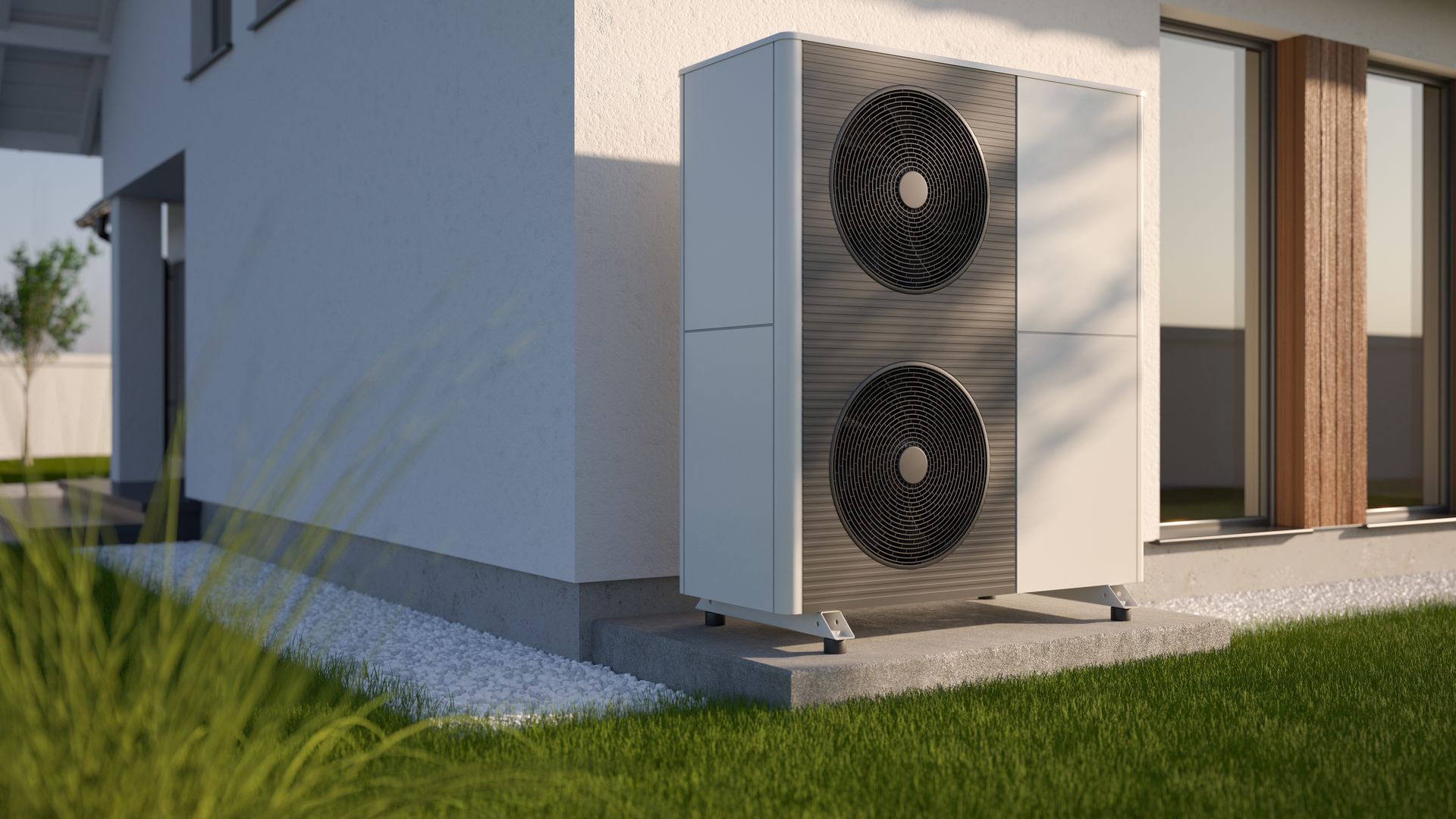
Heat pumps are best known for providing efficient, low-carbon heating, but many systems can also help keep your home cool during warmer weather. When paired with fan coil units, a suitable air source or ground source heat pump can deliver both heating and cooling through the same system.


What is a fan coil unit?


A fan coil is a compact indoor unit connected to your heat pump’s water-based heating and cooling system. It contains a heat exchanger and a quiet fan that circulates room air across it.

During winter, warm water from the heat pump passes through the fan coil, heating the air before gently circulating it around the room. In summer, a cooling-enabled heat pump can reverse the process and supply chilled water, allowing the fan coil to absorb heat from the room and deliver cooler air.

Unlike traditional radiators, fan coils use their built-in fans to move air across the heat exchanger. This allows them to heat and cool a room much more quickly and effectively.


Cooling without a separate air-conditioning system


For properties that already have a compatible air source or ground source heat pump, fan coils can provide a cost-effective alternative to installing a completely separate air-conditioning system.

Because they use the home’s existing heat pump and water-based pipework, fan coils can cost a fraction of a new whole-home air-conditioning installation in suitable properties. There is no need to install a separate outdoor AC unit for every area, helping to reduce equipment, installation work and the visual impact on the building.

The exact saving will depend on the existing system, pipework and number of rooms being cooled, but fan coils can be an especially attractive option when cooling is considered during a heat pump installation or renovation.


How effective is the cooling?


Fan coils provide active cooling rather than simply circulating air like an ordinary electric fan. They remove heat from the room and transfer it back through the heat pump system.

Their effectiveness depends on several factors, including:

  • The cooling capacity of the heat pump
  • The size and number of fan coils
  • Room sizes and levels of insulation
  • Solar gain through windows
  • Water flow temperatures
  • The positioning of each unit

A correctly designed system can make a noticeable difference to comfort throughout the summer. However, cooling requirements should always be calculated separately from the property’s heating demand, as rooms with large windows or significant solar gain may require greater cooling capacity.

Fan coils also need suitable condensate drainage. When warm room air meets the cold heat exchanger, moisture can form inside the unit, just as it does within conventional air conditioning. Correct drainage, insulated pipework and appropriate controls are therefore essential.


Floor, wall or ceiling mounted


Fan coil units are available in several different styles, allowing them to work in both new-build and existing homes.

Floor-mounted fan coils can resemble modern radiators and are often a practical option when replacing existing emitters.

Wall-mounted fan coils are installed at high level and provide rapid air circulation, with a familiar appearance similar to an air-conditioning unit.

Ceiling-mounted or concealed fan coils can be installed within a ceiling void, leaving only discreet grilles visible. These are particularly well suited to new builds, extensions and major refurbishments where pipework and drainage can be incorporated into the design.

The right option will depend on the property, available space and the level of cooling required.


Can fan coils be retrofitted?


Yes. Fan coils can often be retrofitted to existing air source and ground source heat pump systems, provided the heat pump is capable of producing chilled water and the wider system is designed to operate safely in cooling mode.

The assessment should consider:


  • Whether the heat pump supports active or passive cooling
  • The existing pipe sizes and circulation capacity
  • Controls and zoning
  • Condensation protection
  • Insulation around cooling pipework
  • Condensate drainage from each fan coil


Not every heat pump is automatically cooling-ready, and simply replacing a radiator with a fan coil will not create effective cooling without the correct system design. Aura can assess the existing installation and identify what equipment or alterations may be required.


Heating and cooling from one integrated system


Fan coils make it possible to use one heat pump system for comfortable winter heating and valuable summer cooling. They respond quickly, work effectively at the low water temperatures produced by heat pumps and can be controlled independently in different rooms or zones.


For homeowners planning a heat pump installation—or those who already have an ASHP or GSHP—fan coils provide a flexible way to improve year-round comfort without necessarily installing a separate air-conditioning system.

Want to know whether fan coil cooling could work in your home? Contact Aura for an assessment of your property and existing heat pump system.
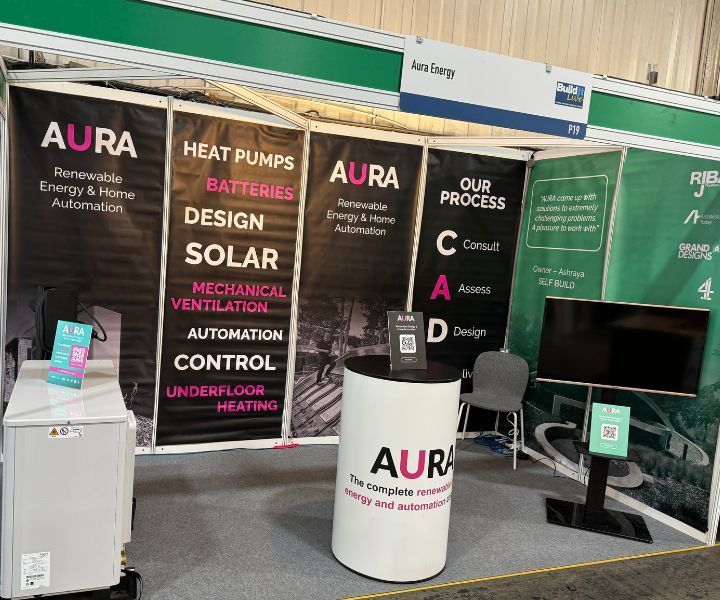
Come and meet us at Build it Live in Exeter on 12th to the 13th  September 2026 
Register for Free Tickets
Build it live loo
By Elliott Corgat January 21, 2026
Detailing Aura's attendance at Build it Live South East with free tickets and on stand offers.
Aura show stand at Build it Live Exeter. With heat pumps, solar and display
By Elliott Corgat December 6, 2024
The Aura team had the privilege of attending BuildIt Live Exeter 2024 at Westpoint Arena, and what an incredible event it turned out to be! We had a fantastic day meeting homeowners, builders, architects, and developers from all walks of life, all eager to discuss their building projects and learn more about how to make their homes and properties greener, more efficient, and future-ready. The event, like previous years, brought together an impressive array of exhibitors, speakers, and experts, all offering advice and showcasing innovative products designed to enhance the building process. Whether attendees were building their forever home or developing properties for sale, the day was filled with valuable insights and exciting opportunities to explore the latest trends in home construction and renewable energy technologies. Meeting People and Sharing Ideas The atmosphere at the event was electric from the moment the doors opened. One of the highlights for us at Aura was the chance to meet so many different people, each with their own unique building projects and visions. Some attendees came with the clear goal of creating homes to sell, seeking to incorporate the latest in energy-efficient technologies to increase their property value and appeal to eco-conscious buyers. For these individuals, we were able to offer tailored advice on how sustainable solutions, such as air source heat pumps and solar panel systems, can make their properties stand out in a competitive market. On the other hand, many visitors were planning their “forever homes”—projects filled with personal meaning, where long-term comfort, cost efficiency, and sustainability are the ultimate priorities. We had insightful conversations with these homeowners about integrating green energy solutions into their builds. From mechanical ventilation systems to underfloor heating and battery storage, our team was thrilled to provide advice on creating homes that are not only eco-friendly but also future-proof, ensuring comfort and efficiency for decades to come. The Focus on Renewable Energy One of the most exciting aspects of the day was the focus on renewable energy. With increasing awareness of climate change and rising energy costs, many attendees were eager to explore how renewable energy solutions could fit into their building projects. At Aura, we specialise in helping homeowners and developers make informed choices about renewable energy systems. Throughout the day, we had numerous conversations about the benefits of air source and ground source heat pumps, which offer sustainable heating solutions by utilising natural resources like air and ground temperatures. Many visitors were keen to understand how these systems work, their long-term cost-saving benefits, and how they can significantly reduce a home’s carbon footprint. In addition to heat pumps, we also discussed solar energy extensively. For homeowners looking to future-proof their properties, solar panels, combined with energy storage solutions like home batteries, were hot topics. Many attendees were interested in how solar energy could reduce their dependence on grid electricity, especially with the possibility of storing excess energy for use during peak times. This dual approach to renewable energy offers flexibility and long-term savings, making it a popular choice for those building both to sell and to stay. A Day of Learning and Inspiration BuildIt Live wasn’t just an opportunity for attendees to learn; it was also an inspiring experience for us as a team. We came away from the event energised by the passion of the people we met and the innovative solutions we saw. Whether talking to seasoned developers or first-time home builders, the excitement around renewable energy and sustainable building was palpable. For us at Aura, it reaffirmed our mission to continue offering the best advice and solutions to anyone looking to build a sustainable, energy-efficient home. The discussions we had at our stand were not only insightful but also motivating. It’s clear that more and more people are recognising the importance of building sustainably and that renewable energy solutions are becoming a central part of that vision. Looking to the Future As we reflect on the day, one thing is certain: the future of homebuilding is green, and it’s exciting to be part of this transformation. The conversations we had underscored how essential renewable energy is in modern building projects. Whether for increasing property value or creating a comfortable, low-carbon forever home, green energy solutions are no longer just a trend—they are becoming a standard expectation. We look forward to continuing to work with homeowners and developers, providing them with the expertise and support they need to make the most of renewable energy technologies. If you missed us at BuildIt Live in Exeter, don’t worry—you can still get in touch with our team to discuss how we can assist with your building project. Whether you’re building to sell or for the long haul, we’re here to help make your vision a reality, with a focus on sustainability and efficiency. It was an unforgettable day, and we can’t wait to see how the projects discussed at BuildIt Live Exeter 2024 come to life!
A family is standing in front of a house with solar panels on the roof.
By Elliott Corgat December 6, 2024
With sustainability taking centre stage, green building design is revolutionising UK homes. Here’s a look at some of the top sustainable design trends in residential construction. 1. Passive House Design Passive homes use strategic insulation and airtight construction to reduce heating and cooling needs. These homes require up to 90% less energy for heating than conventional homes, making them ideal for the UK’s cold winters and aligning with national emission targets. 2. Green Roofs and Vertical Gardens Green roofs and living walls provide natural insulation, reduce stormwater runoff, and improve air quality. They’re becoming popular in urban areas, where space is limited, offering an eco-friendly solution that enhances the aesthetic and environmental value of properties.  3. Sustainable Materials Using materials like reclaimed wood, recycled steel, and low-VOC finishes reduces a home’s environmental impact. These materials are durable, affordable, and contribute to better indoor air quality – important for residents with allergies or asthma. Conclusion Sustainable design is shaping the future of residential construction in the UK. With green trends like passive house design, green roofs, and sustainable materials, homeowners and builders alike can contribute to a more sustainable housing market.
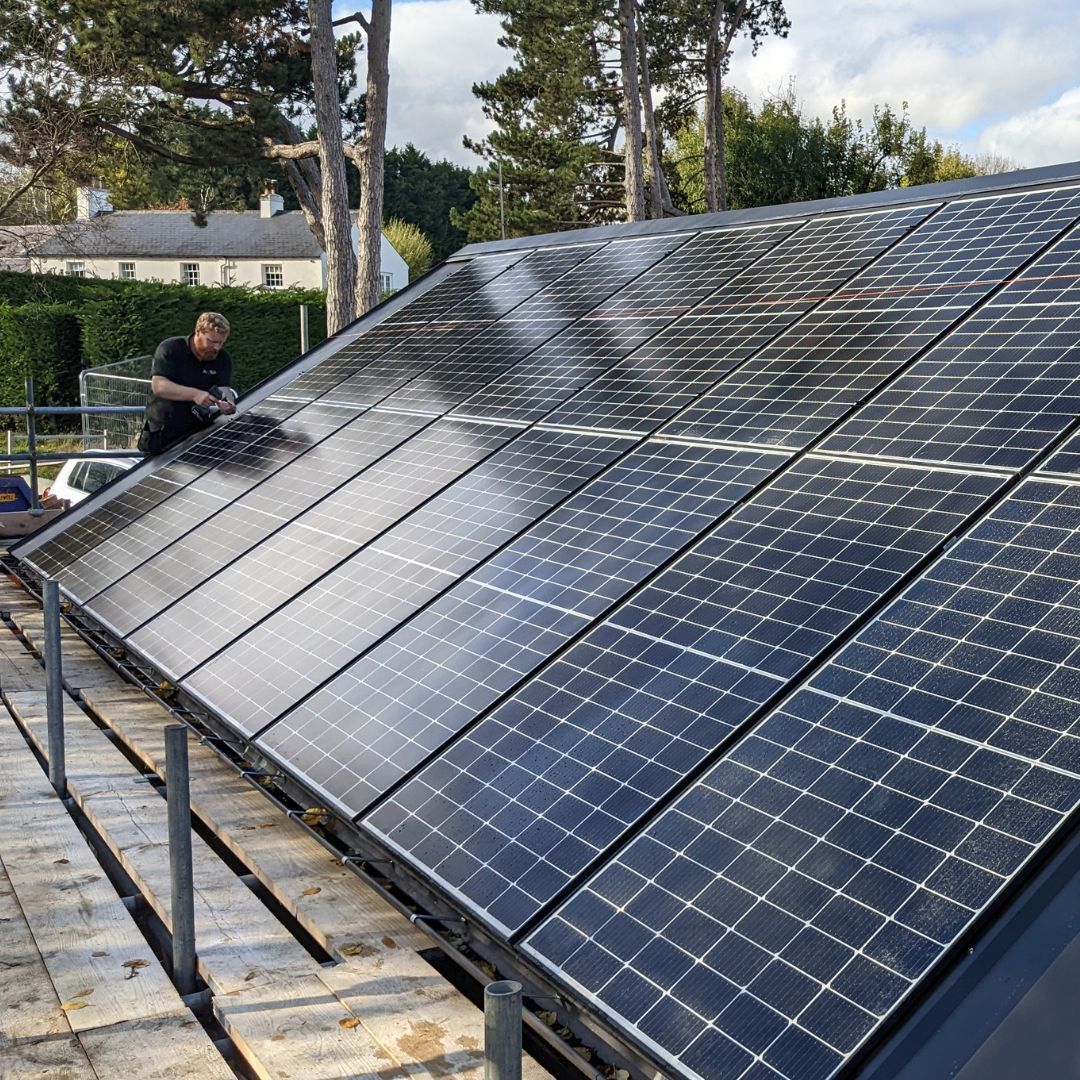
Johnathan Gower working on a roof with solar panels
By Elliott Corgat December 6, 2024
Installing solar panels for your home can provide a number of benefits, including lower energy bills, increased energy independence, and reduced carbon footprint. However, there are also some downsides to consider before making the investment. Here’s a look at the benefits and some downsides of installing solar panels for your home.
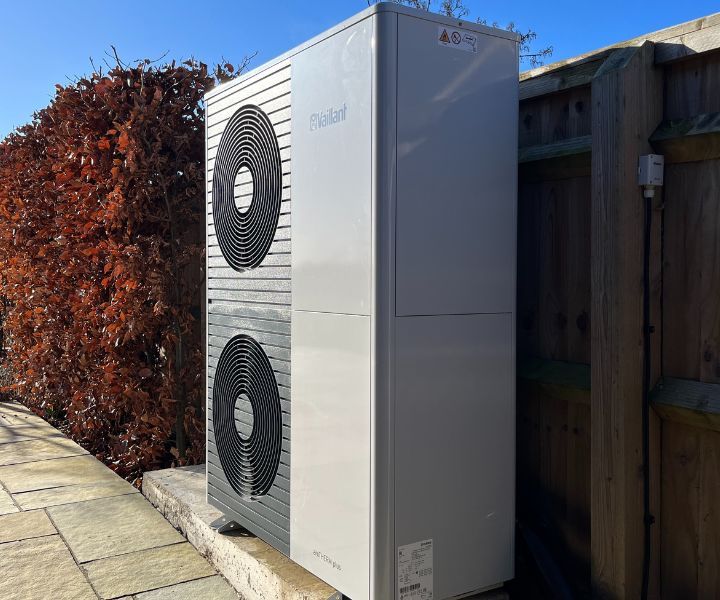
A large white air conditioner is sitting next to a wooden fence.
By Elliott Corgat December 6, 2024
Air source heat pumps are an increasingly popular option for homeowners looking to reduce their energy costs and reduce their carbon footprint. These systems work by extracting heat from the air outside your home and using it to heat your home in the winter, and can also be used to cool your home in the summer. However, there are both pros and cons to consider before installing an air source heat pump for your home.
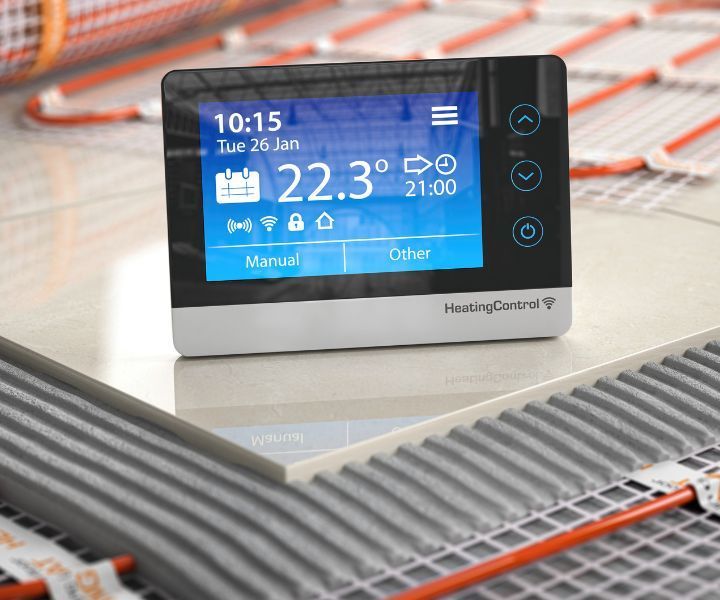
A thermostat displays a temperature of 22.3 degrees
By Elliott Corgat December 6, 2024
Underfloor heating has gained popularity as an energy efficient and convenient heating solution. And one of the most consistent concerns is “will it burn my feet?”  The short answer is “No”. But there’s also a “maybe”.
A large air conditioner is sitting on the side of a house.
By Elliott Corgat December 6, 2024
In the pursuit of creating energy-efficient and eco-friendly solutions for cooling our homes, heat pumps have emerged as a remarkable technology. Traditionally known for their heating capabilities, heat pumps have now expanded their reach to provide efficient cooling as well. This blog will explore how heat pumps can be utilised for cooling your house, offering a cost-effective and sustainable alternative to traditional air conditioning systems.  But first let’s see how heat pumps work
A man is holding a solar panel in a warehouse.
By Elliott Corgat December 6, 2024
As the UK moves toward its 2050 net-zero goal, sustainable building practices are taking centre stage in commercial real estate. Integrating green energy into new developments isn’t just a trend – it’s a sound investment for long-term growth, appealing to eco-conscious tenants and offering significant financial advantages. Here’s how new commercial builds can benefit from sustainable design.
A group of people are standing around a table looking at a model of a wind turbine.
By Elliott Corgat December 6, 2024
As sustainability becomes central to UK business practices, creating eco-friendly office spaces is both a responsible and strategic move. Adopting green initiatives can reduce operational costs, enhance employee well-being, and demonstrate a commitment to environmental stewardship. Here’s how to make UK office spaces more sustainable.
A large room with a lot of windows and a table and chairs in it.
By Elliott Corgat December 6, 2024
With rising energy bills and environmental concerns, renewable energy is more accessible than ever for UK homeowners. Transitioning to eco-living has become simpler, and it offers benefits that go beyond just savings. Here’s how renewable energy can elevate your home and lifestyle.